
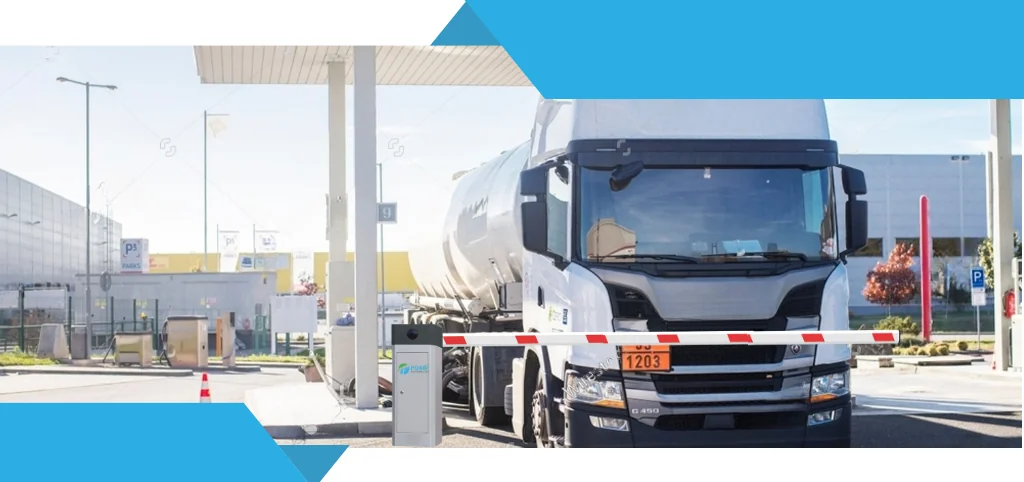
Why Opt for POXO-Powered Solutions?
POXO specializes in designing, delivering, and setting up advanced automated weighing systems tailored to meet your requirements, challenges, and goals.
Our skilled team can guide you in selecting the right hardware and software to achieve your operational targets.
With a strong presence and wide-ranging experience across industries, we provide efficient, reliable, and safety-focused solutions.
We are dedicated to innovation and continuous enhancement, ensuring you have access to cutting-edge and efficient technologies.
Customer satisfaction is paramount at POXO. We offer comprehensive support from the initial consultation through implementation and beyond, ensuring your systems operate at their best.
Discover our exceptional service, where we are committed to your success.
Experience the difference with POXO Solutions, where your success is our mission.
RFID (Radio Frequency Identification) Technology
RFID technology is one of several technologies known as auto-identification (Auto-ID) & IoT technology. It uses radio-frequency waves to transfer data between a reader and movable or stationary objects to identify, categorize, and track the object.
It consists of a combination of such as :
RFID Tags RFID Readers and Antenna
Sensors Networking — Wired & Wireless
Software Process management
Benefits Of RFID Technology
Hardware Placement
3 Steps
Process Flow
Key Hardware Components - Weighbridge Automation
Why choose us?
Understanding Weighbridge Automation: What It Is and Why It Matters
A weighbridge — also called a truck scale or weigh bridge — is a large platform scale used to weigh entire vehicles and their loads. In industries like cement, steel, mining, agriculture, and logistics, accurate weighment of incoming raw materials and outgoing finished goods is critical for billing, inventory management, and regulatory compliance.
Traditional weighbridge operations are manual: a vehicle arrives, a guard records the vehicle number, the driver presents a delivery challan, the weighment is manually noted, and paperwork is generated and filed. This process is slow, prone to human error, vulnerable to fraud, and creates significant delays — particularly at high-volume plants where dozens of trucks may pass through the weighbridge per hour.
RFID-enabled weighbridge automation replaces this manual process with an automatic identification and data capture system, integrating vehicle identification with the weighment platform, barrier control, camera capture, and ERP/logistics software — so that a truck arrives, is identified, weighed, documented, and cleared with minimal human intervention.
The Problem with Manual Weighbridge Operations
The inefficiencies and risks of manual weighbridge management are well-documented across Indian industry:
Errors in Weight Recording
Manual entry of weight readings — either hand-written or typed into a system — introduces transcription errors that affect billing, inventory, and material balancing. A one-digit error in a weight record for a 25-tonne truck creates a significant billing discrepancy that may take days to identify and reconcile.
Vehicle Identity Fraud
Without automatic vehicle identification, a common fraud is “vehicle substitution” — an authorised vehicle’s delivery challan is used for an unauthorised vehicle, allowing excess or unauthorised material to enter or exit a plant. Without a reliable link between the physical vehicle and its identity, this is difficult to detect.
Queue and Delay Management
Manual weighbridge processing creates queues, particularly at shift start/end, lunch breaks, or when documentation is incomplete. A truck queue at the weighbridge is not just an operational inconvenience — it is idle labour, idle vehicle capacity, and a bottleneck that backs up the entire inbound/outbound material flow.
Audit and Dispute Resolution
Paper-based weighment records are difficult to audit and easy to manipulate. When a customer disputes a billed weight, or a material balance doesn’t reconcile, finding and reconstructing the relevant paper records is time-consuming and often inconclusive.
How RFID-Enabled Weighbridge Automation Works
POXO’s weighbridge automation system integrates RFID identification with the weighment process through a defined sequence that is largely automatic.
Step 1 — Vehicle Approach and RFID Identification
As the truck approaches the weighbridge, a long-range UHF RFID reader mounted at the entry portal reads the vehicle’s RFID tag (a windshield sticker or bumper-mounted tag). The vehicle is identified by its tag’s EPC, which is looked up in the vehicle database to retrieve registration details, vendor/customer identity, and any active delivery orders.
Simultaneously, an ANPR (Automatic Number Plate Recognition) camera captures the vehicle’s number plate. The system cross-references the RFID identification with the ANPR result — vehicles where the RFID tag doesn’t match the registered number plate trigger an alert for guard review, preventing vehicle substitution fraud.
Step 2 — Automatic Barrier Control
If the vehicle is authorised for entry (registered RFID tag, matching number plate, valid delivery order), the entry barrier opens automatically. No manual intervention is required for authorised vehicles. Unregistered vehicles or mismatches are held at the barrier and routed to a guard booth.
Step 3 — First Weighment (Tare or Gross)
The vehicle drives onto the weighbridge platform. The weighbridge controller sends the weight reading to the weighbridge automation software automatically when the vehicle is stable. The software associates the weight with the vehicle identity captured at entry, timestamps the record, and stores it — without any manual entry.
Step 4 — Loading/Unloading
The vehicle proceeds to the loading or unloading point. The software tracks the vehicle’s location through additional RFID read points if the facility has them, or by process assumption based on delivery order type.
Step 5 — Second Weighment (Gross or Tare)
On exit from the loading/unloading area, the vehicle returns to the weighbridge. The RFID reader again identifies the vehicle, and the second weight is automatically recorded. The software calculates net weight (gross minus tare), generates the weighment slip digitally, and sends it to the ERP or logistics system.
Step 6 — Exit
The exit barrier opens automatically for vehicles with a completed weighment record. The vehicle exits. The full transaction — vehicle identity, times, weights, net weight, delivery reference — is stored digitally and available immediately for billing, inventory, and audit.
Key Benefits of RFID Weighbridge Automation
Elimination of Manual Data Entry Errors
Weight data, vehicle identity, time, and delivery order references are all captured automatically — no manual typing, no transcription errors. The weighment record in the system reflects exactly what the equipment measured, associated with the correct vehicle identity.
Fraud Prevention
The combination of RFID vehicle identification and ANPR cross-reference creates a reliable vehicle identity check that is very difficult to defeat. Vehicle substitution fraud — the most common weighbridge manipulation — is effectively prevented.
Throughput Improvement
Automatic vehicle identification and barrier control eliminate the time the guard spends manually checking documentation for each vehicle. An RFID-identified, authorised vehicle passes through the weighbridge process in the time it takes to drive on the platform, stabilise, and drive off — no waiting for paperwork. Weighbridge throughput improves significantly, reducing vehicle queues and the associated costs.
Digital Audit Trail
Every weighment transaction is recorded digitally with timestamp, vehicle identity, weights, and delivery reference. This record is immediately available for billing, inventory reconciliation, customer disputes, and regulatory audit. Reconciliation that previously took days can be done in minutes.
ERP and Billing Integration
POXO’s weighbridge automation software integrates with major ERP platforms — SAP, Oracle, Tally, and industry-specific logistics software — so that net weight data flows automatically into billing, inventory, and material accounts without manual re-entry.
Practical Use Case: Cement Plant Weighbridge Automation
A mid-size cement plant in western India was processing approximately 150 truck movements per day through a single weighbridge, with a five-person team managing documentation and weighment. Average processing time per vehicle was 8–12 minutes, creating a persistent queue that regularly backed up into the public road — a safety concern and a source of truck driver complaints.
After deploying POXO’s RFID weighbridge automation:
- All registered vendor and customer vehicles received RFID windshield tags and were enrolled in the vehicle database.
- A long-range UHF RFID reader and ANPR camera were installed at the weighbridge entry and exit.
- The weighbridge controller was integrated with the automation software for automatic weight capture.
- ERP integration automated the generation of delivery challan and gate pass records.
Results within 90 days of deployment:
- Average vehicle processing time dropped from 8–12 minutes to 2–3 minutes.
- The truck queue was eliminated under normal operating conditions.
- Three of five documentation staff were redeployed to other duties; the remaining two monitored exceptions and handled visitor vehicles.
- Weighment disputes with vendors, previously a monthly occurrence, dropped to near zero because both parties saw the same auto-captured digital record.
- One attempted vehicle substitution was detected in the first month through the RFID/ANPR mismatch alert — a vehicle attempting to use another truck’s challan. The alert stopped the attempt, which would not have been detectable under the manual system.
Implementation Guidance: Deploying RFID Weighbridge Automation
Infrastructure Assessment
Before deploying, assess the physical weighbridge infrastructure: road approach width (for gantry or portal reader mounting), number of weighbridges and lanes, canopy or overhead structure for camera and reader mounting, and proximity of power and network to the weighbridge location.
Vehicle Enrolment
The RFID tag programme requires enrolling all regular vendor and transporter vehicles. This involves issuing tags, recording vehicle registration details, and linking each tag EPC to the vehicle record in the system. For large, established vendor relationships, this enrolment can be done systematically before deployment. For new or visiting vehicles, a process for temporary or visitor enrolment must be defined.
Software Configuration
Configure the weighbridge automation software with your delivery order types, weighment rules (which weighments are tare-first vs. gross-first), alert thresholds, and integration mappings to your ERP. POXO’s implementation team handles this configuration based on your operational workflows.
Testing and Validation
Before going live, test the complete flow with a sample of registered vehicles: approach detection, barrier response, weight capture, second weighment, record generation, and ERP update. Test exception scenarios: unregistered vehicle, RFID/ANPR mismatch, weighbridge instability. Confirm that all alerts and overrides work correctly.
Operator Training
The automation system handles routine vehicles automatically. Train weighbridge operators on exception handling — how to process visitor vehicles, how to override the system when necessary (with appropriate audit log), and how to interpret and respond to alerts.
Frequently Asked Questions
Can the RFID weighbridge system work with vehicles that don’t carry RFID tags?
Yes. The system is designed to handle both RFID-tagged regular vehicles (automatic processing) and untagged visitor or first-time vehicles (manual processing at the guard booth). The guard station interface allows manual vehicle registration, weight association, and record creation for untagged vehicles. Some facilities also use QR code passes or temporary RFID cards for frequent visitors who don’t warrant a permanent windshield tag. The fully automated process applies to registered regular vehicles; exception handling routes are defined for all other cases.
How does the weighbridge automation handle disputes about net weights?
Every weighment record includes timestamps, vehicle identity (RFID EPC, number plate image), weighbridge platform ID, individual tare and gross weights, calculated net weight, and the delivery order reference — all stored digitally and immutable. In a dispute, both the plant and the transporter can access the same digital record. The ANPR camera image provides additional visual evidence of which vehicle was on the platform. This evidence-based record resolves disputes quickly and objectively, which is why weighment disputes typically drop sharply after automation deployment.
What happens if the RFID reader fails to read a vehicle’s tag?
Reader and tag failures are handled through the exception process: the vehicle is directed to the guard booth, where manual identification and weighment processing occur. POXO’s system includes alerts when a vehicle approaches the RFID zone but no read is captured — prompting guard attention. Tag failures on registered vehicles are typically identified and replaced before they cause operational disruption, through periodic tag condition checks as part of the vehicle registration renewal process. System uptime and redundancy are also built into the reader infrastructure to minimise unplanned downtime.
POXO’s Weighbridge Automation System: Complete and Integrated
POXO’s weighbridge automation solution integrates every component of the weighment process into a single, coherent system. Our scope covers:
- RFID vehicle identification — long-range UHF readers, vehicle tag issuance, and vehicle database management.
- ANPR integration — camera-based number plate recognition with cross-reference to RFID identity.
- Weighbridge controller integration — automatic weight capture from all major weighbridge controller brands.
- Barrier control — boom barrier or flap barrier command integrated with the identification system.
- Weighbridge automation software — transaction management, alert handling, and digital weighment slip generation.
- ERP integration — real-time data flow to SAP, Oracle, Tally, or your logistics software.
- Reporting and analytics — vehicle throughput, weighment volume, queue time, and exception reporting.
We’ve deployed weighbridge automation across cement, steel, mining, food processing, and logistics clients across India. Every deployment is configured for your specific vehicle population, weighment rules, and ERP environment.
If you’re ready to eliminate the inefficiency, fraud risk, and audit burden of manual weighbridge operations, contact POXO’s team or explore our RFID solutions.